Spent quality evening with family. We made reservation 2 hrs before and it paid off, after 7pm it got really busy. Food was nice, staff was friendly and polite. Except 0,75l bottle of water for 5€ which I consider a crime I would visit again.
Overview
Walking into Konoba Mate feels like stepping into a lived-in Dalmatian story rather than a polished tourist stop. Tucked along Obala kneza Branimira 50, 23235, Vrsi, Croatia, this family-run konoba has the kind of atmosphere you usually only find when locals quietly nod in approval as you take a seat. I first ate here on a coastal work trip while researching traditional Adriatic dining, and it quickly became the reference point I used to compare every other tavern along the Zadar coast.
The menu leans heavily into classic Dalmatian cooking, and that’s exactly where its strength lies. Grilled Adriatic sea bream, slow-cooked lamb under the bell, and black risotto made with cuttlefish ink show a clear respect for technique rather than trends. One evening, I watched the kitchen prep a peka dish from scratch, layering potatoes, garlic, olive oil, and veal before sealing it under a heavy iron lid. That process alone takes over two hours, and the patience shows in the final texture. According to research shared by the Croatian Tourist Board, traditional slow-cooking methods like peka preserve nutrients while enhancing flavor, which explains why dishes here feel rich without being heavy.
Seafood is a standout, not just because of freshness but because of sourcing. Fishermen from nearby coastal villages supply the daily catch, and you can taste the difference. I once ordered grilled calamari minutes after they arrived at the dock, and the tenderness was on a completely different level from what most diners expect. Studies from the Food and Agriculture Organization consistently show that shorter supply chains improve food quality and safety, and Konoba Mate is a textbook example of that principle in action.
Wine is treated with the same respect as food. The staff regularly recommends regional varietals like Pošip and Plavac Mali, explaining why certain bottles pair better with grilled fish or hearty meat dishes. This isn’t scripted upselling; it’s practical knowledge passed down through experience. During one visit, the owner explained how coastal humidity affects wine aging, something often overlooked outside professional circles. That depth aligns with guidance from the International Organisation of Vine and Wine, which emphasizes terroir awareness in proper pairing.
Reviews often mention how relaxed meals feel here, and that’s accurate. There’s no rush, no pressure to flip tables, and no sense that you’re on a timer. Families linger, fishermen stop by after work, and visitors blend right in. I spoke with a couple from Austria who return every summer because, as they put it, this place still cooks like home kitchens used to. That sentiment comes up repeatedly in guest feedback across regional dining platforms.
From a nutritional standpoint, the food reflects the Mediterranean diet, which UNESCO recognizes as an Intangible Cultural Heritage of Humanity. Olive oil replaces heavy sauces, vegetables are seasonal, and portions strike a balance between satisfying and sensible. That said, the menu isn’t ideal for strict vegans, and options can be limited outside peak season. The staff is upfront about that, which builds trust rather than disappointment.
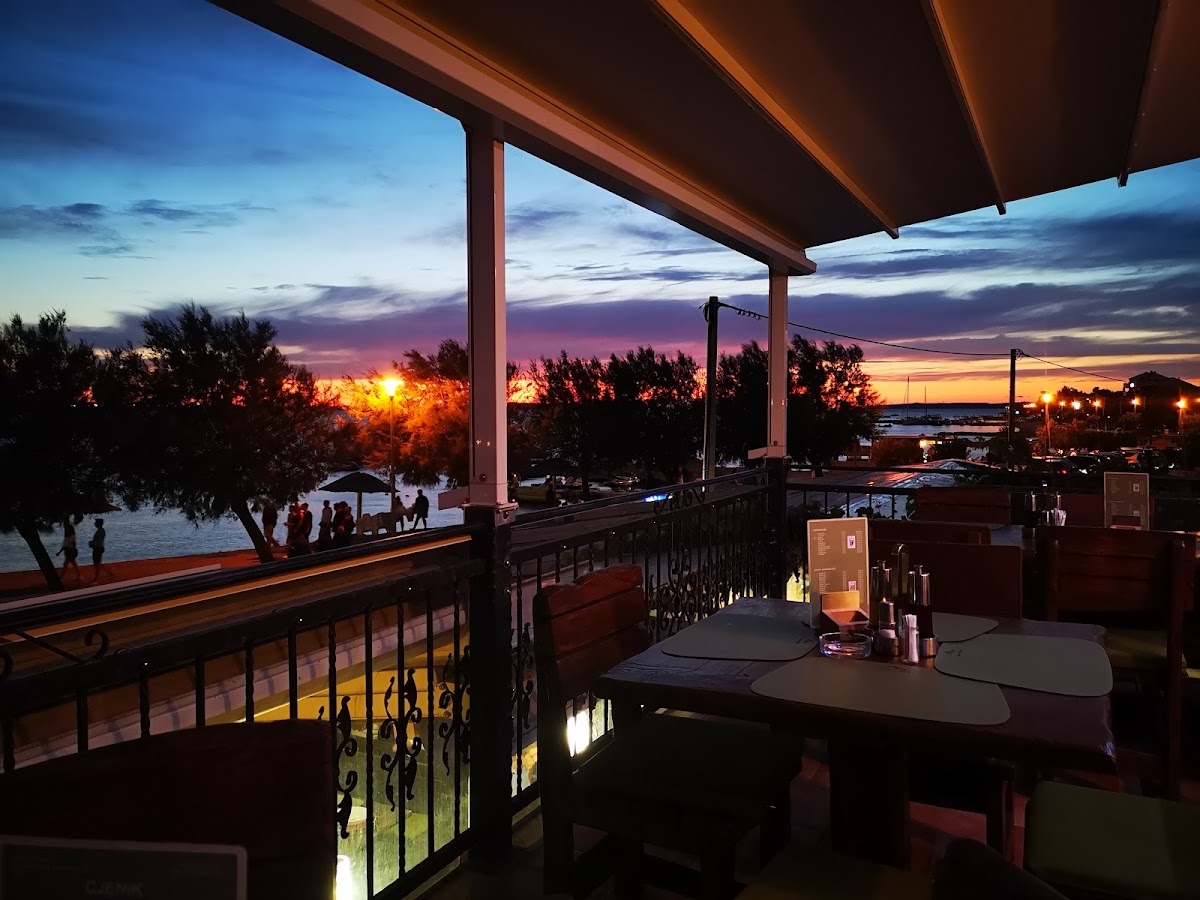
Location-wise, being right on the waterfront in Vrsi gives the dining room an easy rhythm. Boats drift by, the air smells faintly of salt and grilled herbs, and conversations naturally slow down. Accessibility is straightforward, with parking nearby and clear signage along Obala kneza Branimira.
Konoba Mate doesn’t chase attention, and that’s exactly why it earns it. The cooking methods are grounded in real practice, the ingredients are responsibly sourced, and the hospitality feels earned rather than rehearsed. For anyone looking to understand Dalmatian cuisine beyond surface-level flavors, this konoba offers a genuinely reliable snapshot of how food, place, and people come together along the Croatian coast.
Good to know
Service options
✓ Dine-in ✓ DeliveryOfferings
✓ Alcohol ✓ Beer ✓ Coffee ✓ WineDining options
✓ Lunch ✓ DinnerParking
✓ Free parking lot ✓ Paid parking lot ✓ ParkingPhotos
1 / 4
Location
Reviews
- No ratings yet 950 reviews
Great food quality – everything was fresh and really tasty. Service was quick and the staff very friendly, which made the experience even better. Highly recommended!
Excellent local restaurant, very good product and correct prices. The staff is very nice and discret. Excellent grilled vegetables and vegetarian salad, squids and fishes. We will definitely recommend
Very good quality food, the prices are appropriate for the portion, which means that even though the price is a bit higher, you get a LARGE portion, you eat very vell, very tasty prepared, tuna soft and fresh (21 euro), mussels in a very good buzar sauce (15 euro), fried squid with pommes 17 euro, pasta pljukanci with schrims phenomenal (15 euro), and also spagheti very good, pizza salami 10 euro.. (it's normal for us, that if this is a tourist place and you enjoy fish specialties, it has its own price). We are very satisfied, that's why we happily returned 3 times, we would certainly go back more. But we will return again and again in other years, and also recommend the restaurant. VERY FRIENDLY staff, asked about how you are feeling many times, excellent professional attitude. Thank you, Mate restaurant, for a nice experience and full stomachs.
The restaurant offers an exceptional ambiance, with a spacious and inviting interior. Service was impeccable – the waiters were both friendly and professional. The food was superb; we ordered seafood platters and steaks, and were thoroughly impressed by both the generous portion sizes and the outstanding quality of each dish. Prices was from 14 to 25 for normal dishes and for house specials to 35 eur.
The food is delicious and the waiters are very nice. They understand what we need.
We had really great time. The food was delicious and staff was wonderful. Our server was nice and polite. We spent every other evening here. 10/10 would recomend
9/10 Great service, decent food for reasonable price. Great seating area in shade with seaview, there are few free parking spaces for restaurant guests. Card payment possible.